
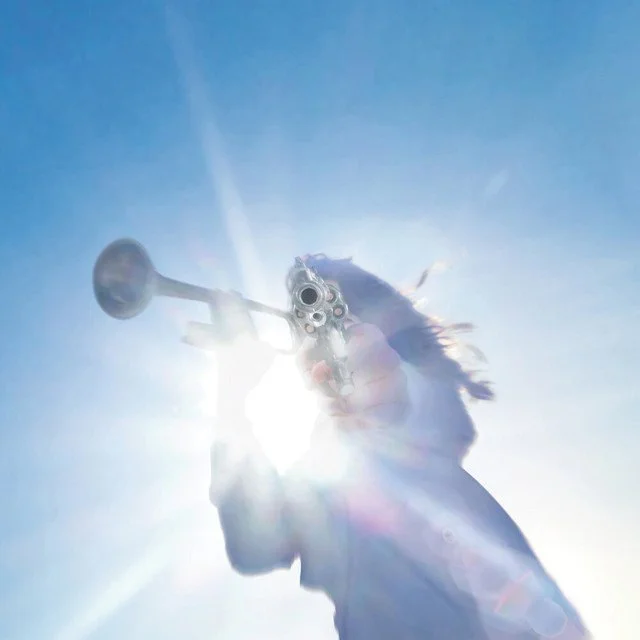
Pitchfork gave Geese’s new album Getting Killed a 9 out of 10, calling it “their strangest and strongest work.” The review is well written but nearly content-free — the result of a mutual need between a band’s label and a publication that can’t afford to disappoint either audience. To understand why, think about what Pitchfork used to be.
Founded in 1996 as an upstart independent magazine, it covered indie and underground music. It filled a vacuum Rolling Stone left wide open. Its 0.0–10.0 scoring system became a critical instrument — the 10 it gave Arcade Fire’s Funeral in 2004 broke that band to a mass audience overnight. The magazine’s authority came from its willingness to be harsh, to be wrong in interesting ways, and to have a point of view that didn’t answer to anyone.
Then Condé Nast acquired Pitchfork in 2015. The parallel that comes to mind is Jeff Bezos (who owns Amazon) buying the Washington Post and watching its editorial independence erode under politicized corporate ownership. For Pitchfork, the conflict between advertiser relationships, label relationships, and honest criticism became structurally unmanageable. The Geese review is a case study in what that compromise looks like in practice.
Geese is a talented New York rock band with good hooks, accessible songs, and major label support. They draw on post-punk, indie rock, funk, and hip-hop. Their new album, Getting Killed, was produced by Kenneth Blume, the hiphop producer formerly known as Kenny Beats. The band is real. The music is good. The problem with the Pitchfork review is how it talks about the music, using descriptors like “strangest,” “fragmented,” “paranoid,” “untamable” that position the band as outsiders and eccentrics, without demonstrating how those words apply. Consider the opening of “Taxes,” one of the album’s more direct (and lyrically silly) tracks: it builds to a clean, sort of singalong chorus that owes more to stadium rock than to anything genuinely strange.
The review itself acknowledges that Geese deliver “festival ready anthems” and love songs. So, what exactly is untamable? The trombone? The Ukrainian choir cameo? The review even quotes Winter’s lyric “I have no idea where I’m going... Here I come” as though it captures something profound and disorienting, when it’s the kind of charming self-aware lyric that bands have been writing since the early 2000s. It’s not a bad line. It’s just not evidence of paranoid fragmentation.
This kind of writing is precisely why reviewers like Anthony Fantano at The Needle Drop have built massive audiences despite being outside the institutional press. Like him or not, agree with him or not, he describes what he hears (he talks about Geese’s “flow state jam” and their “ruckus of instrumentation” and gives the album a strong 8!). The Pitchfork review of Getting Killed is marketing language gussied up in critical clothes.
The independent and underground music scene has depended on honest criticism as part of its ecosystem — not because critics are arbiters of taste, but because good criticism strives to create a real conversation around music. What Pitchfork publishes now flatters artists and steers readers toward approved cultural values without doing the actual work.
Geese is a talented band making decent, accessible rock music. A 9 out of 10 and a push toward outsider credibility they haven’t really earned serves the label, and gives readers a story. But it doesn’t serve the music, the reader, or the tradition that made Pitchfork worth reading in the first place.